How To Choose A New Hot Water System?

Choosing the right hot water heating system can be complicated! Would a traditional gas heating cylinder be best? Do you need a reliable and roust electric hot water system? Or do you want to save money with an efficient heat pump hot water unit? You might opt for a clean and green solar hot water system.

Each system comes with its own pros and cons, upsides and downsides. You’ll need to take into account the size of the building, number of bathrooms, how many people reside within it and what their hot water needs may be. There’s a lot to think about! The following information has been collected specifically to help people choose the right system for their requirements.

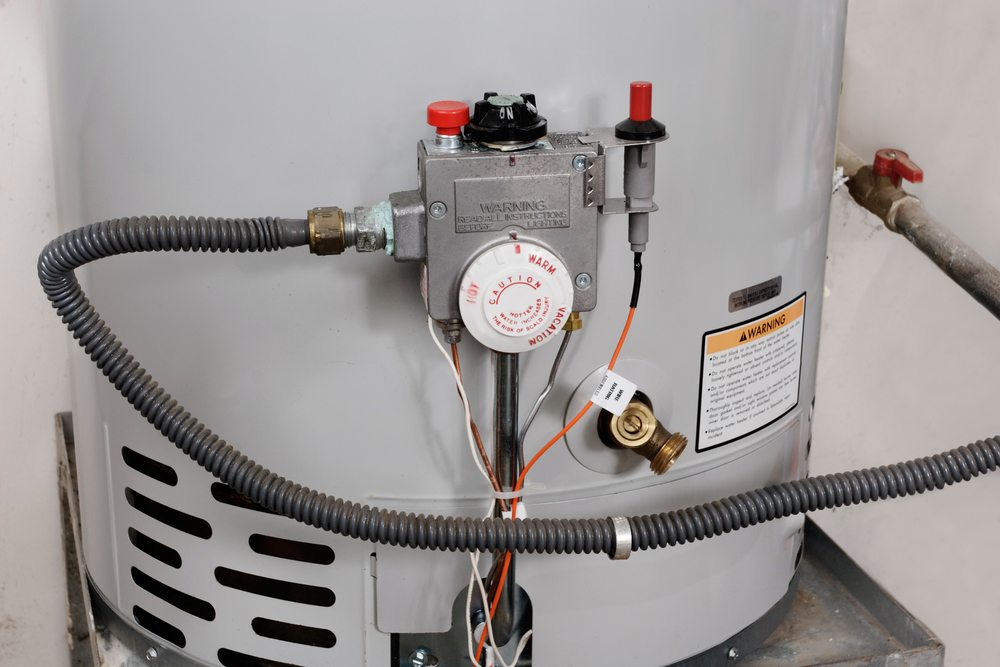
Gas Hot Water Systems

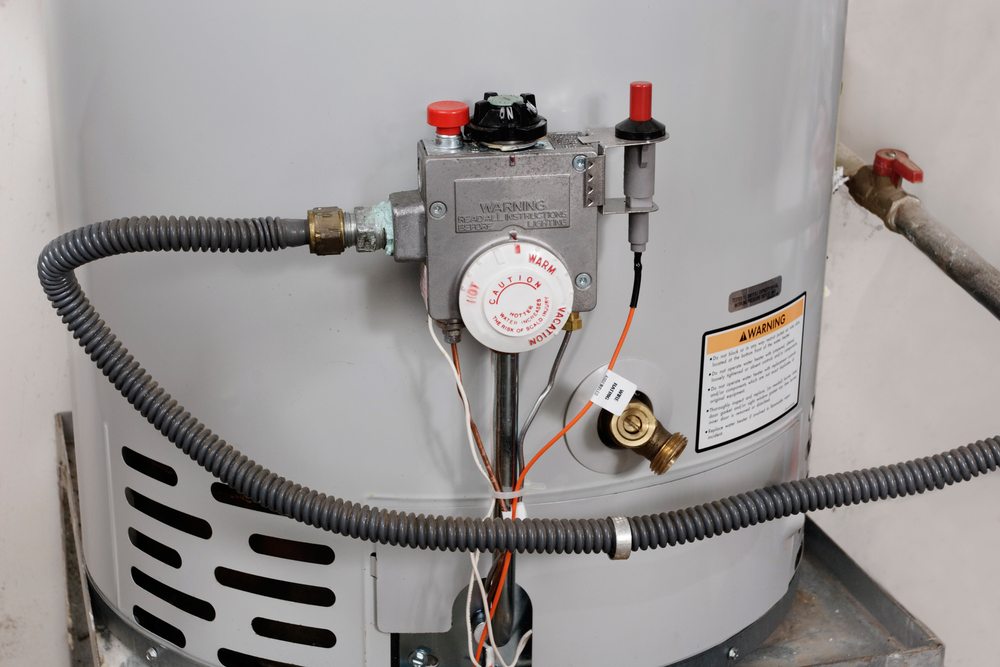
Gas heating for hot water has long been the standard for many homes throughout Auckland. Gas hot water systems are ideal for homes that already have gas connections for other appliances, heating for instance. They are more energy efficient than an electric system and can be located outside, saving you space. However, as they use a pilot light gas hot water systems must be insulated by a professional plumber. Also, they have a higher heat loss ratio than electric systems and can be more expensive to run.

Electric Hot Water Systems

Electric hot water systems are the most common form of hot water heating and are found in homes throughout New Zealand. With a cheap initial installation cost, electric heaters provide great water pressure and can meet the needs of even the largest family with ease. As they usually only used during times when electricity prices are at their peak, these systems can prove to be less cost efficient in the long run than other options.

Heat Pump Hot Water Systems

Heat pumps are a fantastic heating solution for your home. With low running costs and an ability to double as an underfloor central heating system, heat pumps are an attractive choice for many home-owners. It is worth bearing in mind that the installation costs can be higher than for other systems and you may need to check with the local council before installing a heat pump system.

Solar Hot Water Systems

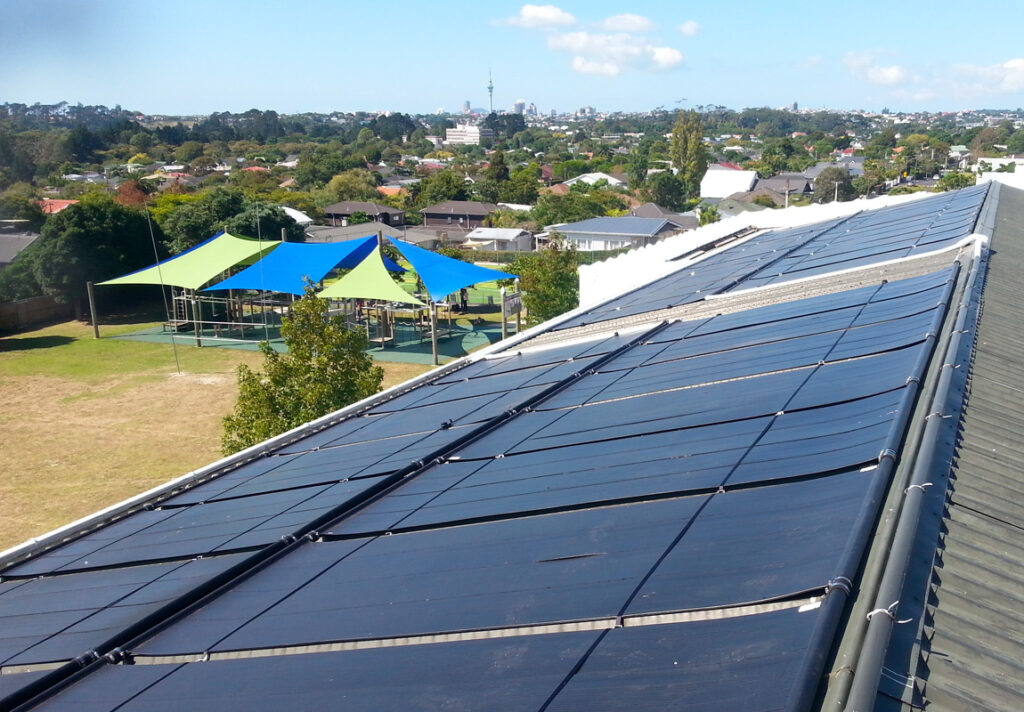
Clean, green and more dependable than ever, solar hot water systems are an increasingly popular choice. Solar hot water heating can help you to drastically reduce your energy bills and are great for the environment. You should be aware that you will still need another source of hot water and that not all properties are suitable for solar hot water heating.

The fastest and best way to know exactly which system would suit your particular needs is to speak with your local plumbers in Auckland, Collin’s Plumbing, Gas & Heating. You can browse different models currently available on the Hot Water Heating page of our website.
What To Do With A Blocked Stormwater Drain

A stormwater drain is designed to drain excess ground water from surfaces like paved streets, car parks, footpaths and roofs. They funnel away any excess water from your downpipes and grates. It’s not always easy to tell that your stormwater drain is clogged, but if you suspect that it is, do not hesitate to act. Blocked stormwater drains can lead to serious flooding in your home.

As residential and drainage experts in Auckland, we know a blocked stormwater drain when we see one. Here are a few tips on what to do if you think you have the same problem.

How Do I know That It’s Clogged?

It’s not as easy to tell that your stormwater drain is blocked as it is to tell that your toilet or shower drain is blocked. The main way to tell if you are having this issue is if you notice a large puddle or pool of water by the drain after a big storm. This means that the drain is struggling to manage the influx of rainwater. If you notice this pool of water running back into your home, then this is an even bigger sign.

To know for sure, watch the flow of water as it moves through the pipes. If it moves freely, you’re probably in the clear. If you notice that it isn’t moving freely, there is most likely an obstruction.

Read some of our common causes of blocked drains here.

What You Can Do to Try to Fix It

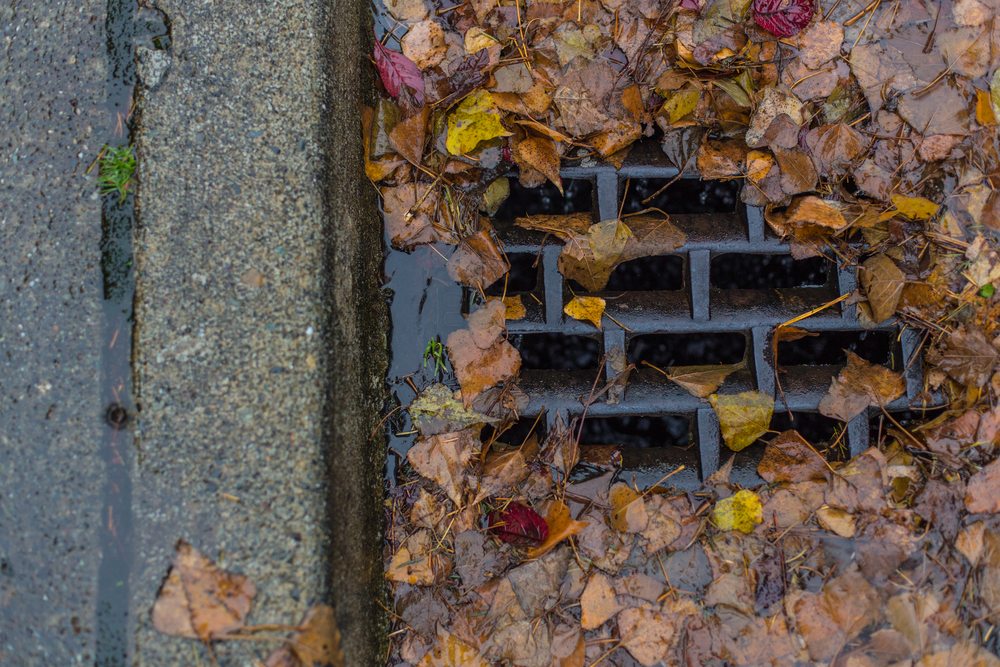
Visually check for obstructions in the pipe to identify any blockages that are easy to see. It may be that a ball, sticks or a clump of leaves fell in there and are stuck, which would be an easy fix. Insects are also common causes, as they like to crawl in these pipes and make nests. Shine a torch in there to make sure – and if it’s something as simple as this – get a long, versatile strap and use it to clear the pipe of all debris.

Another potential problem could be mould. Mould grows in dark, wet places and crevices, and it expands which could trigger the blockage. For this, you make a water with bleach solution and pour it down the drain, breaking up the mould along the way.

When to Call a Professional

It’s always a good idea to schedule maintenance of your drains for every 6 months. This is so no problems like a blocked drainage system arise. However, if you notice symptoms of a block and none of the DIY solutions worked well, you should  call a professional. Blocked stormwater drains are not something to ignore as they can cause substantial flooding and water damage to your home. A professional plumber will be able to provide a high pressure water jet and/or a sewer camera to check. This helps them to identify any problems and the best course of action.

Contact Collin’s Plumbing in Auckland to book an expert for drainage maintenance services that will fix your drainage problems.

When To Repatch Or Replace a Roof?

No matter how well it is looked after, there comes a time when every home needs a little maintenance work done. One of the most problem common areas for both homes and businesses is the roof.

No matter how hard wearing or well-made the roofing material is, or how professionally it was installed, eventually you may need to make repairs or even replace the entire roof. The question is; what is the better option, re-roofing, repairing or re-patching? The answer depends entirely on your situation and the amount of damage your roof has sustained over the years.

To make sure that you make the right choice when the time comes, you need to be fully informed of what your options are and what warning signs to look out for. Here are our insights into the pros and cons of repatching and repairing. We’ll even give you some tips on when you should be thinking about roof repairs!

The Benefits of Repatching Your Roof

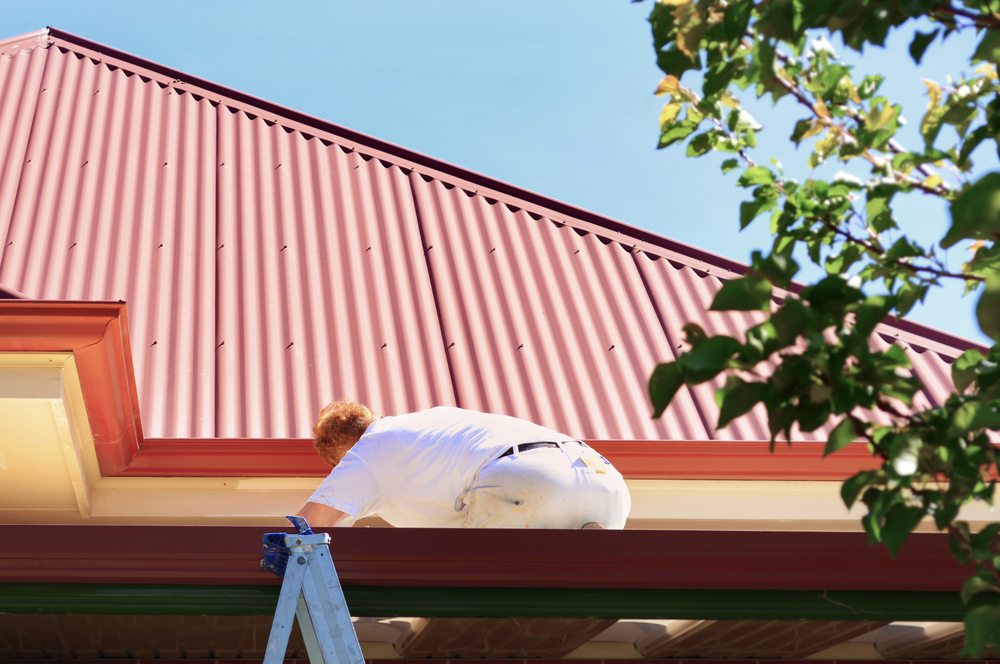
Ignoring minor leaks, cracks, holes or damage to your roof can cause a host of issues later on. By not dealing with these problems immediately, you could be risking significant structural damage to your home. Moisture can lead to rot, mildew, mould, and even affect the very foundations of a building. If there are only a few isolated areas on your roof that need to be fixed, then repatching may be a smarter and more economical option for you than a total roof replacement.

Why You Should Have Your Roof Replaced

If you find that your roof has sustained extreme amounts of damage during a storm or has simply failed to stand the test of time, then you may wish to consider replacing it. While the re-roofing process is more expensive than simply repairing individual damaged areas, if the roof has sustained considerable damage then an entirely new roof may be the better option. By choosing a new roof, you can avoid reoccurring leaks and prevent problems from worsening. Better yet, you can also rejuvenate the entire look and feel of your home!

When You Should Consider Roof Repairs or Replacements

Replacing or repairing a roof is a big job that requires a big commitment. It’s not something to go into lightly! However, there are many roofing issues that you should not ignore should they occur in your home or business.

Constant roof leaks, persistent draughts, cracked or broken tiling, worn metal or the accumulation of moss or lichen are all warning signs. To make certain you make the right choice, contact a professional roofer from Collin’s Plumbing, Gas and Heating in Auckland. We provide professional plumbing, re-roofing and roof maintenance services for residential and commercial premises.

Why It’s So Important To Regularly Service Your Gas Water Heater

Gas is a cheap, reliable, environmentally friendly, and energy efficient method of providing hot water and heating to homes and businesses alike. Gas hot water systems are much more efficient than electric systems, have a faster recovery time than electric models and best of all; they won’t let you down during a blackout.

This is why it comes as no surprise that gas water heating systems have been a popular option throughout New Zealand for years.

However, as we all know, gas can be a dangerous substance and needs to be treated with respect and care. Gas appliances need to be regularly checked and serviced to ensure that they are working properly, legally, safely, and efficiently. In most buildings, the main gas appliance is the gas hot water heating unit.

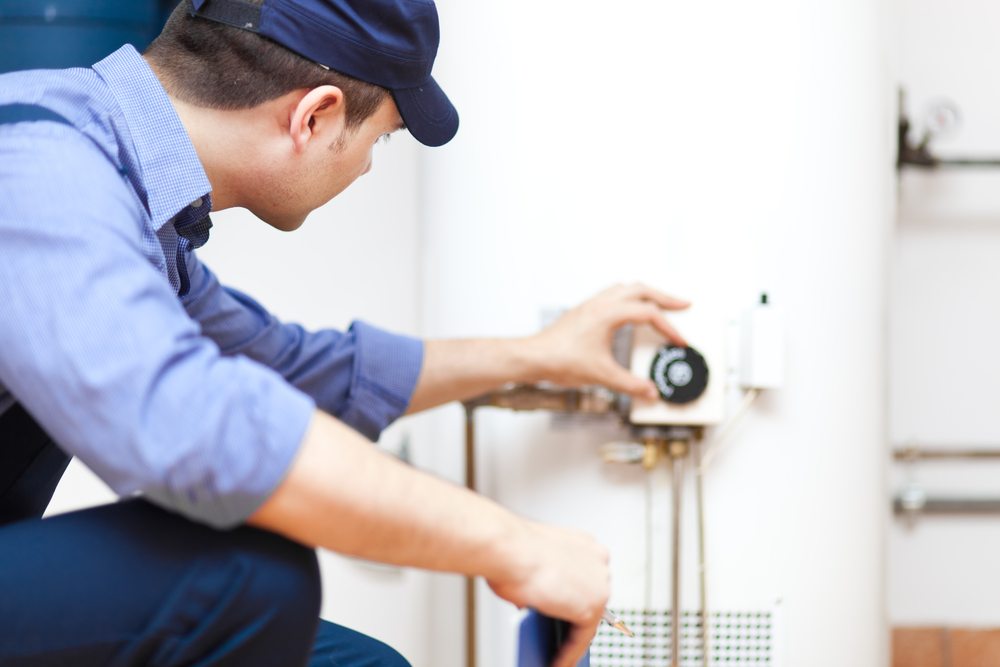
Many older models of gas water heaters are in need of a service and some are in dire need of replacement! If your hot water system hasn’t been serviced by a licensed professional recently, you need to call your local plumbers and gasfitters right away.

Collin’s Plumbing, Gas and Heating is your first and best choice for plumbing, roofing and gas fitting services in Auckland.

Here are 3 top reasons to give us a call and book your water heater in for a service.

Be Sure of Your Family’s Safety

Gas is a great way to keep your home or office supplied with heat and hot water. To be sure that your family can enjoy the benefits of gas heating safely, you should have your water heater regularly checked by a licensed professional. Malfunctioning gas water heaters can release gas into your home’s atmosphere or even produce deadly carbon monoxide.

Enhance Your Home’s Economy and Efficiency

The only way to be sure that a gas appliance is running properly is to have it looked at by an experienced plumber and gasfitter. By having regular inspections of your gas heating system, you can make sure that it is always operating at peak efficiency. A well-maintained gas water heater will save you money as it is less likely to break down and will reduce your overall household energy consumption.

Get Total Peace of Mind

Having your hot water system serviced means you can always relax and enjoy a nice hot shower or soak in the bathtub! Knowing that your gas water system is dependable, safe and running at maximum efficiency will give you total peace of mind. After all, there is nothing better than knowing your home is safe, supplied with plenty of hot water, and is using energy in the smartest way possible.

For hot water heating services, plumbing and gas installations throughout Auckland, please contact Collin’s Plumbing, Gas and Heating today.

Why It’s Important To Use A Licensed Plumber?

It may seem strange now, but in the not so distant past plumbers were once regarded as highly as doctors. However, if you consider how important functioning and reliable plumbing is to our day to day routines and to our health then perhaps it is not such a wild idea after all!

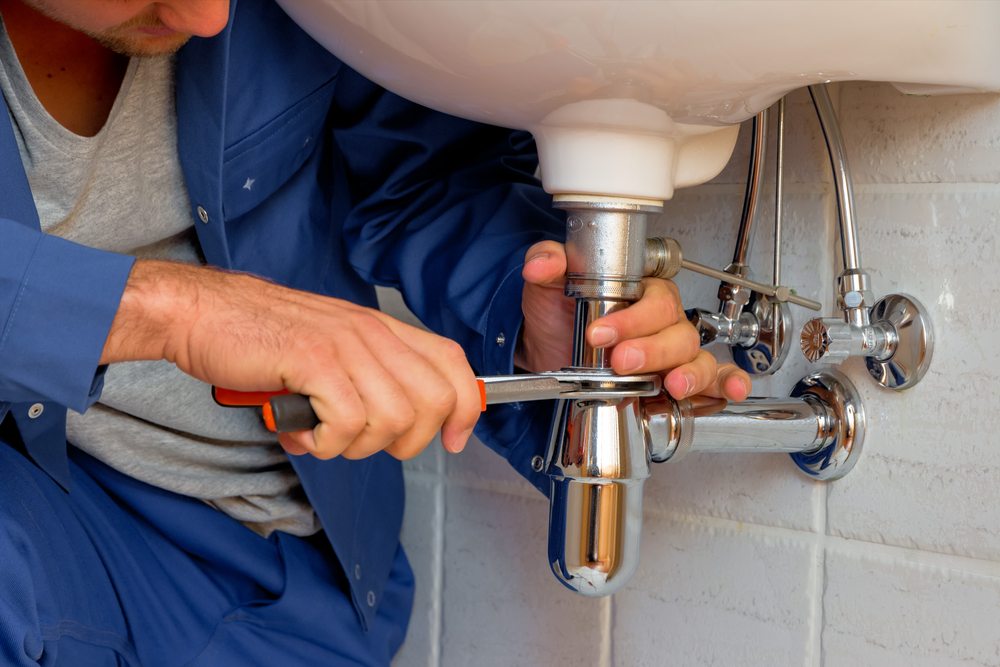
By using a qualified, licensed and trained plumber you ensure that not only will you receive the very highest standards of workmanship, but that all work will be backed up by the industry itself. Not using a professional for all your plumbing maintenance services means that you could be putting your home and your family at risk. Inexperienced or under trained amateurs should not be involved in complicated and dangerous work such as gas appliance installations. Saving any amount of money is simply not worth risking potential damage to your house or your health. Here are a few good reasons why you should only use reputable local plumbers and not rely on dodgy DIY-ers or shonky fly-by night operators:

Peace of Mind

Getting the job done the right way means getting the right person for the job in the first place. With a professional plumber, you have the peace of mind that comes with knowing that the tradesperson working on your home is skilled and experienced. Top notch plumbers and gas fitters will make sure that all work meets the requirements laid down by the relevant building codes, council laws and government legislation. It is also worth bearing in mind that many insurance companies require that all work is done by a registered plumber. Cutting corners by using an under-qualified operator means that you can never be 100% certain the job was done properly. Only a professional plumber can give you that assurance.

Guaranteed Workmanship

When an enthusiastic amateur sets out to do the job of a professional, it very rarely works out well for the homeowner. Shoddy workmanship can result in expensive repairs down the track and can even pose a significant threat to the structure of your home. Plumbers who know their trade well will always supply you with industry backed guarantees. If you choose a plumbing company that is registered with the Master Plumbers, Gas fitters and Drainlayers Association of New Zealand, you will automatically receive a twelve month guarantee on all work done on your premises.

Quality Results

Employing qualified and accredited plumbers and gasfitters for your plumbing services means that you will get the best result for your money. Most tradespeople depend on their good reputations to keep their business in the black. How can you be sure the plumber you have chosen is above board? All members of the Master Plumbers, Gasfitters and Drainlayers Association of New Zealand are issued with authorisation cards. Just ask to see their card!

If you need plumbing services in the Auckland area, the team from Collin’s Plumbing, Gas & Heating are fully qualified and always deliver exceptional results. Call us today for more information.

Four Proven Benefits Of Solar Heating In New Zealand

In the summertime, the sun comes out to play and that’s good news for everyone. It means more time at the local park, BBQs in the backyard, and plenty of time to play cricket.

But are you really making the most of this good weather?  What if you could save time, money and energy by making friends with the sun? Let’s take a look at some proven benefits of installing solar heating in your home.

What is Solar Heating?

Solar water heating is the conversion of sunlight into renewable energy via a solar thermal collector. A solar water heater can usually provide hot water all year round.

The Benefits

There are many benefits to installing solar heating in your Auckland property. Let’s explore a few of those now:

The Savings

While you may have to some upfront costs for a solar water heater, the first and most obvious benefit makes this all worthwhile.

You’ll no longer need to pay for the gas or electricity that used to power your hot water. All you need to do is sit back and let the sun do the job for free. This can result in a strong return on investment in the long term.

A Huge Reduction in Your Carbon Footprint

Did you know that you can halve your carbon footprint by installing a solar water heating system? Gas and electricity are generally generated by non-renewable natural sources like fossil fuels. These cost massive amounts of energy to mine, transport and deliver to households.

A solar hot water system is great for the environment and your own sense of achievement. Imagine the knowledge that your energy efficient home is contributing to slowing global warming!

It’s a Small Job

Getting started in solar hot water isn’t actually as hard as you may think. In fact, it’s actually quite an easy task. All you really need is a couple of solar panels. These can be conveniently installed at various parts of your property, so they’re out of the way and won’t create an eyesore on the street.

Renewable Energy

The sun is a form of free and renewable energy that you can access all year round. While you may not get quite as much sunlight in winter, you’ll still have a significant part of the year to harvest all that great sunlight and reduce your power bills.

Looking for Solar Heating Installation in New Zealand?

Collin’s Plumbing can get your household up to speed with solar. As well as solar heating installation, we offer a range of plumbing, roofing and gas fitting services for Auckland properties. Call us on 0800 004 065 or contact us online for more information. We’d love to hear from you.

Heating Options For Your Home

The winter months bring a near-desperate need to keep your home warm, but you don’t want to break the bank or kill the environment just to maintain a comfortable home temperature.

At Collin’s Plumbing, Gas & Heating in Auckland we are experienced installing a wide range of heating systems for your home. When we are helping you determine what heating system is best for your home, we consider how it will be incorporated into the current or future design, rather than trying to force a heating system that doesn’t match. Let’s go over some of the best heating options for your home.

We will consider your budget, environment running costs, heat loss and functionality.

Hydronic In-Floor/Wall

If you are extensively renovating or building a new home, this is your best option. When we install this type of system into your home, we build the pipes into the walls, floors or ceilings, through which hot water will be pumped, radiating warmth through the surfaces and into the rooms. The system involves a combined heating unit that we can place anywhere from a cupboard to the garage, boiler room, service closet or outside, depending on the size and shape of the particular unit.

The great thing about the hydronic system is that is can be used as a cooling and potable hot water duel system, as well. In addition, if you want to save money on hot water generation, we can install it as a solar system combination.

Ducted Central Warm Air

Ducted systems, which are one type of Central Air, work by pushing a convection flow of warm or hot air around the home via insulated ducts in the walls. The air exit through vents that are placed around the home, usually high up on a wall or on the ground.

This type of system is good for discreet heating around your house that is easy to control, quiet, energy-efficient and will undoubtedly increase the value of your home. It can be run from natural gas or LPG and is a popular choice for villas and bungalows. You need floor space or ceiling space.

For more information about central heating systems, click here.

Radiators

If you choose to heat your home with radiators, you must calculate the size and number of radiators that you plan to place in each room of the home. You have the easy option of either building this system into a new home or retrofitting the system while renovating.

One of the great things about radiators is towel rails in bathrooms you can place them in convenient locations, such as near the bed or couch. In addition, it can be a heating and potable hot water duel system as well as have a solar system combination that will maximise your savings on heating up water.

Collin’s Plumbing, Gas & Heating are your best local plumbers in Auckland. Don’t believe us? Just ask our customers. We have experience installing the best heating systems for your home and your wallet. Contact us today for more information about which heating system is best for you.

Facts About Carbon Monoxide Poisoning

Useful, cheap and plentiful, natural gas is an amazing energy source with many applications for the home, industry and businesses. In order to harness this energy, we need to use appliances that burn natural gas to create heat. This process can create carbon monoxide or CO as it is also known. Breathing in too much carbon monoxide can prove to be harmful and even deadly to human beings.

Although all gas appliances carry the risk of leaks and thus the potential for carbon monoxide poisoning, it is worth keeping in mind that with a well-maintained and regularly serviced unit, you run practically no chance at all of having an incident. Our team of specialist plumbers and gasfitters have put together some tips on how to recognise and avoid carbon monoxide poisoning.

What is Carbon Monoxide Exactly?

Carbon monoxide is a by-product of incorrectly burning fuel such as petrol, wood or natural gas. It is odourless, tasteless and incredibly toxic. It can accumulate in poorly ventilated areas where an appliance that runs on fuel, gas or wood is operating. There is no way to know that CO gas is gathering in your home without the proper equipment.

Signs of Carbon Monoxide Poisoning

Easily absorbed via the lungs, carbon monoxide can quickly damage the heart, brain and vital organs. CO molecules are inhaled into the body and attach themselves to red blood cells, preventing them from carrying oxygen. Symptoms of carbon monoxide poisoning have been described as ‘flu-like’ and include headaches, dizziness, nausea, chest pains, vomiting and a confused state. Some people may quickly collapse and pass out after prolonged exposure and are at severe risk of death.

Common Sources of Carbon Monoxide in the Home

Carbon monoxide in the home is most commonly generated by appliances such as gas stoves and ovens, hot water heaters, and kerosene heaters, as well as car engines and chimneys or flues that are not properly cleared.

What Can I Do to Reduce the Risk of Carbon Monoxide Poisoning?

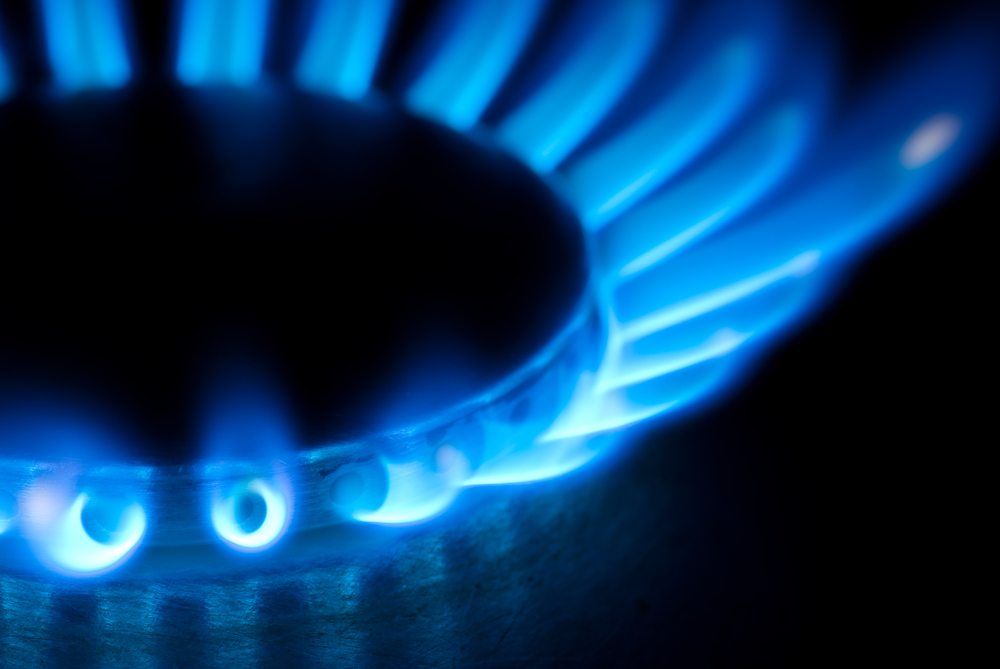
Reducing your risk of carbon monoxide poisoning is relatively easy. Firstly, make sure that all your gas appliances are regularly serviced and maintained and kept in good condition. Make sure that the flame on an oven or the pilot light on a hot water heating unit is burning blue. A mostly yellow flame indicates that your gas is not being burned efficiently and CO may be present.

To be sure you are not at risk; invest in CO monitors for your home. About the size of a regular smoke detector, a CO monitor will sound an alarm when a low level of the gas has been detected.

All of us here at Collin’s Plumbing, Gas and Heating make sure that every installation, repair and service we perform is done to the highest standards, meeting strict safety guidelines.

For more information on how to best take care of your gas appliances, call on the experts at Collin’s Plumbing, Gas and Heating in Auckland!