Plumbing And The Winter Blues

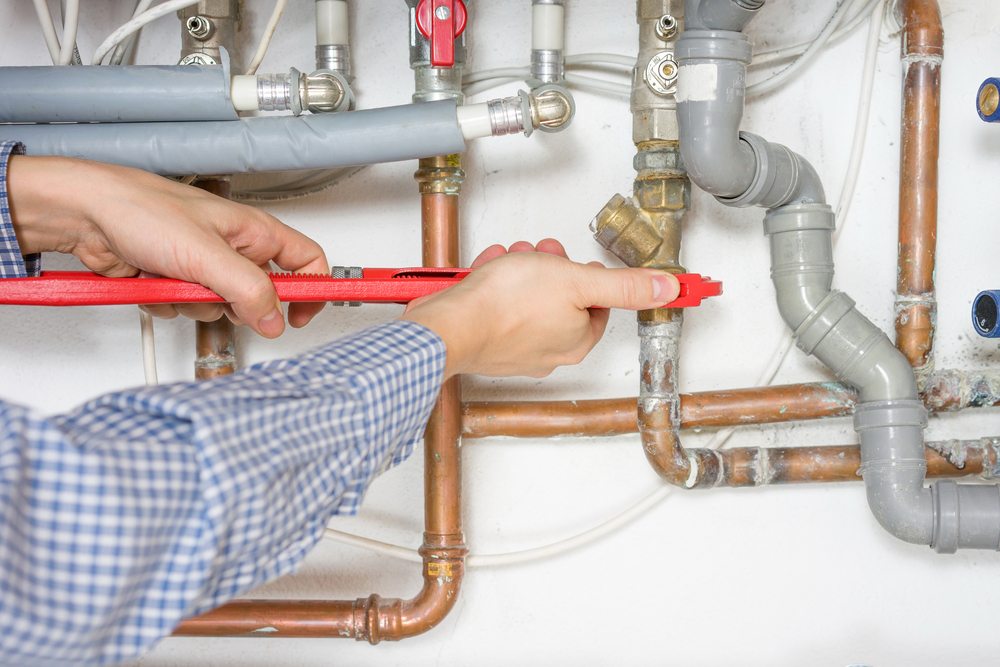
Winter is here and now is the time to make sure that your plumbing is in its best shape.

Auckland is fortunate to have fairly mild winters, but there are still a number checks to do in and around your house when it comes to your plumbing.

Fix any Leaks

If you have any leaky pipes, not only are you wasting precious water, but you are also allowing cold outdoor air to seep into your home. With our NZ houses built as they are for warm summers and mild winters, any extra cold air getting inside will quickly be noticed, making it harder to warm the house and keep it warm. The last thing you want is to wake up to a house that is almost as cold inside as it is outdoors! The best remedy is to get a plumber from a reputable company to check your pipes and fix any leaks before winter sets in.

Check your Hot Water Heating

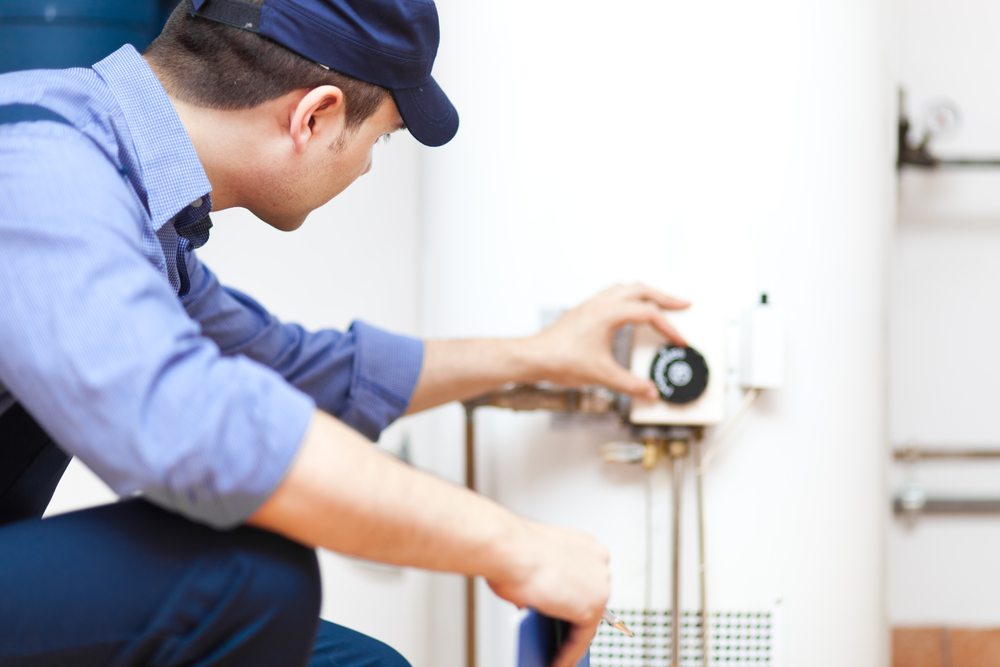
No body wants to be left without hot water, more so in these colder months, preferably not in the middle of a shower! There are prudent checks you can do to make sure that things are working properly ahead of time. Because water is sitting at a colder temperature in the winter, it will take your water heater more time to heat it up. If you want to keep your power bill down during the winter, it’s a good idea to fully flush out your water heater ahead of winter.

Outside your property

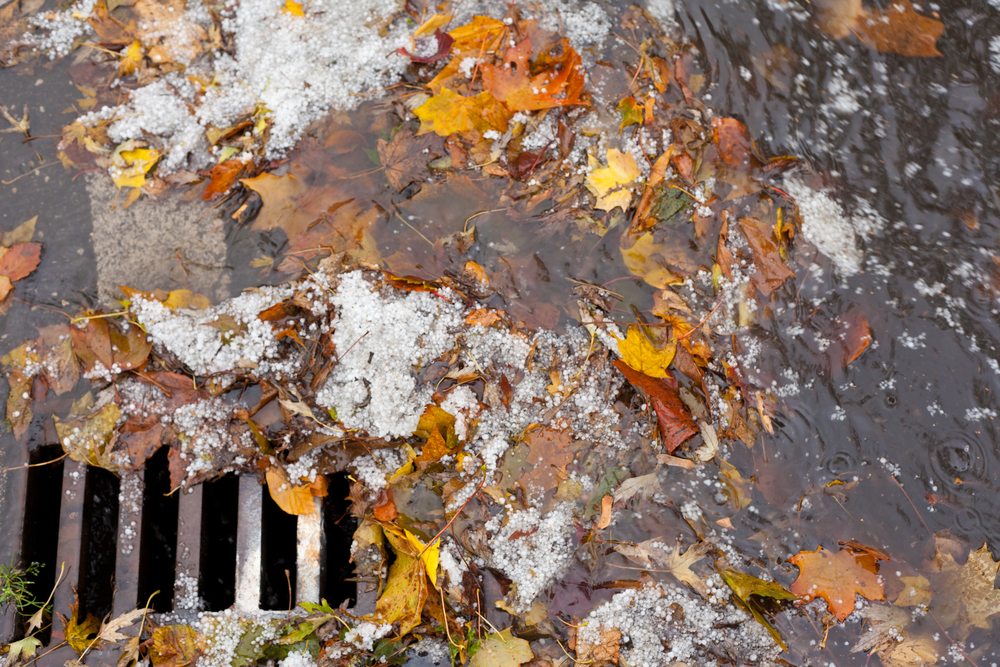
We can be so concerned with keeping the plumbing inside of our homes functioning that we neglect the outdoors. Check your spouting – or enlist the services of a professional plumber – to make sure there’s no build up which will end up causing leaks. And take a look at your storm water drains: with all the extra rain we get in Auckland during winter, backed up drains can lead to flooding.

How can Collins Plumbing and Gas help you?

If you lived through a cold, damp house last winter, or if you simply want to check your plumbing to make sure you’ll be dry and warm this year, give Collins Plumbing and Gas a call. We can give check over any concerns or suggest any possible services that will help keep you more comfortable this winter.

Give us a call on 0800 888 007

Top Tips In Gas Safety For Consumers

Top Tips in Gas Safety for Consumers:

  1. If you smell anything unusual – turn the appliance off, ventilate the room, get people out of the area and call Collins Plumbing and Gas.
  2. Know how to turn the gas off in an emergency.
  3. Don’t interfere with any gas appliance – call an authorised professional.
  4. Have gas appliances regularly serviced – once a year or as per manufacturer’s instructions – to ensure they are running safely and efficiently.

For more advice on this give us a call on 0800 888 007

Tips On Saving Water At Home

Tips on Saving Water at Home:

  • Turn off the tap when you brush your teeth: this can save 6 litres of water per minute.
  • Place a cistern displacement device in your toilet cistern: to reduce the volume of water used in each flush. You can get one of these from your water provider.
  • Take a shorter shower: Showers can use anything between 6 and 45 litres per minute. Consider getting an aerated shower head, which combines water and air, or inserting a regulator in your shower, which puts an upper limit on flow rates.
  • Always use full loads in your washing machine and dishwasher: this cuts out unnecessary washes in between.
  • Fix a dripping tap: A dripping tap can waste 15 litres of water a day, or 5,500 litres of water a year.
  • Install a water butt to your drainpipe and use it to water your plants, clean your car and wash your windows. A water butt can collect around 5,000 litres a year.
  • Water your garden with a watering can: rather than a hosepipe. A hosepipe can use as much as 1,000 litres of water an hour. Mulching your plants (with bark chippings, heavy compost or straw) and watering in the early morning and late afternoon will reduce evaporation and also save water.
  • Fill a jug with tap water and place this in your fridge: This will mean you do not have to leave the cold tap running for the water to run cold before you fill your glass.
  • Install a water meter: When you’re paying your utility provider for exactly how much water you use, laid out in an itemised bill, there’s an incentive to waste less of the stuff.
  • Invest in water-efficient goods: when you need to replace household products. You can now get water-efficient showerheads, taps, toilets, washing machines, dishwashers and many other water-saving products.
  • If it’s yellow, let it mellow: This one might not be everyone’s cup of tea, but it certainly is an easy way to save water. While some modern toilets can use as little as three litres of water per flush, some older style toilets use around 18 litres per flush. Rather than wasting water, think about minimising the amount of times you flush the toilet per day and stick to the motto: if it’s yellow, let it mellow. But, if it’s brown, do everyone a favour and flush it down.
  • Put a bucket in the shower: You might want a hot shower but what about all that water you’re wasting while waiting for the temperature to be right? Don’t let that water go to waste. Use a bucket to catch the unused water and then use the contents to water household plants, tend to any dry spots in your garden or fill up the fish tank.
  • Put a cover on it: Not only will putting a cover on your pool stop it from being filled with leaves, but it will also help prevent the water from evaporating. This means less water used, less time waiting for the pool to fill up and more time splashing about it in. Winning.

Benefits of Saving Water

When you save water you will:

  • Save on your water and energy (hot water) bills.
  • Help defer the need for a new water source for Auckland.
  • Discharge less wastewater. This will help defer the need for bigger treatment plants.

Emergency Plumbers Auckland

While other plumbers are fast asleep, Collins Plumbing is awake and ready 24 hours a day to provide any emergency plumbing and gas services you might require across the greater Auckland region, in a timely and efficient manner. Trust in us in your time of need.

When an incident happens, it is essential that you contact a qualified plumber as soon as possible. These repairs can’t wait until morning! You need to stop the leak/burst as soon as possible to reduce the collateral damage that can happen to your property, and Collins Plumbing is at your service to provide just that.

Whether your hot water cylinder isn’t working, you are dealing with broken pipes, a clogged drain, or a gas leak, our team is always ready to help. Call Collins Plumbing right away and we can get things repaired and back up and running in no time.

Not only do we offer an unbeatable service and use high quality materials, we stand by our experienced plumbers’ quality workmanship and unbeatable service, giving you peace of mind that the job is done right the first time, every time.

We offer competitive and transparent pricing. We understand that plumbing and gas emergencies can be stressful, which is why we strive to provide affordable solutions paired with fast service, without sacrificing quality.

Our Master Plumbers are committed to fixing your emergency 24 hours a day, 7 days a week. If it’s not possible to provide an absolute fix on the spot, we will carry out temporary repairs to secure your home and possessions, and schedule the full repair when convenient.

With our 24/7 availability across Auckland, prompt and efficient services, streamlined processes, and competitive pricing, you can count on Collins Plumbing to be the best choice for emergency plumbing and gas services in your area.

Don’t hesitate – Call us today!

How To Recession Proof Your Business

How to recession-proof your business

Are you prepared for what could come next?

7 Things to know…plus practical steps to take right now.

Even in the Great Depression, money was still changing hands.  Less. But people were still paying their rent, buying food, getting repairs done and more.

My point is trades will always be needed.  Yes, Coronavirus has sparked a chain reaction of events that is completely changing its landscape of how we all do business.  No one knows how this will play out, or how big the hole will be.  This will affect every single business in NZ including yours and sadly some will not survive.  As we navigate the rest of the year, having a cash buffer is more important than ever.  After lockdown, some work that was previously solid is now uncertain.  We are not economists, but here are 7 things you should know, and be working into your plan now, while you still have time.

Downturns weed out the crop

Do not waste a good recession.  Sure, it is harder to get to work when times are slow, however everyone is in the same boat.  Your competitors who are doing a poor job pricing too cheap, taking the quick buck, and burning their reputation…many of them will disappear.  Ultimately leaving more room for you.  The top tradies always have work in any industry, the best are always in demand, regardless of what the market is doing.  It is a chance for you to get better, more efficient become leaner for the next phase.  When things bounce back, you will be ready to dominate, and have less competition.

Those who are slow to react are the worst hit

Listen up because this one is important:  You MUST be proactive with decision-making. Watch the numbers closely.  Look for the early signs so you are not surprised.  Do not rely on backlogs of work that may dry up or disappear.  Make sure you are doing all you can to keep the work flowing in.  If your efforts are not reflecting and you need to cut overheads and possibly staff, as painful as it is do it early.  Not after you haemorrhage a heap of cash first.  Identify options ahead of time.  Haver a plan B for all scenarios, such as an overdraft facility or a cash buffer in the bank.

Some of your customers will go broke

Have you ever been stung by a large bad debt? Most tradies have.  That is in the good times.  It is even more likely to happen in a downturn.  Often tradies rely too much on one or two big clients.  It is risky.  As a rule of thumb, your biggest client ideally would not be more than 30-40% of your business.  Assess now: -If your biggest client disappeared, would you still be OK?  We have all seen bigger companies fold and little guys get hurt.  Do not let it happen to you, make sure you are not carrying late payers and have solid terms of trade.

Never stop marketing

Why should you market if you have more work than you can handle? That is now.  In a downturn, things can change quickly.  Assess: is your work coming from just one source currently? It is not a good idea to rely on only one stream to feed your jobs through.  What if your biggest customer had their work dry up? Or went broke and you had to deal with the receiver who did not pay you? What if they changed owners? Or their project manager (who dishes out their work) decided he was going to use your competition instead? This can happen and does.  Especially if word of mouth is the only way you get leads, build a larger number of sources.  There are so many different and effective ways for tradies to market their services.  Then even if some dry up, you will still have other streams of work.  In slow times, you can also diversify into other types of jobs you can make money on.  Do both! Spread your risk.

Cut the fat

This is something you should be doing at least once a year anyway.  Cash is king, and you want as much of it available as you can.  Reduce overheads.  Work on becoming more efficient.  Reduce debt as much as possible.  In a recession, banks tighten up lending and overdrafts.  Be aware of interest rate trends and your ability to pay back current debt.

Under-pricing lead to problems later

On some jobs, to keep the work, you might have to sharpen your pencil. Be careful. Careful.  Do not make the mistake of assuming, if you have steady work, all will be ok.  You must know at exactly what point the job is not worth doing.  In hard times, lots of tradies will do anything to get (or keep) the work.  They are the ones that get into trouble first.  Know your margins.  Quote too cheap and you will feel it down the line with tight cashflow and higher debt.  That is not sustainable.  There are better ways o win work and keep your margins strong, even when you are quiet, even when your competitors are under-cutting you.

What if your suppliers or bank went broke?

Those who do not study history are doomed to repeat it.  The 1992, Westpac got into serious trouble and almost went under.  In the global financial crisis in 2008, the 4th largest US bank, Lehman Brothers, went bankrupt.  So yeah, these things can happen.

I do not know which banks are safer than others these days, but they are often connected.  If American banks end up in trouble, again the chain reaction to the banks down under is likely.

Spread the risk. One bank for your home loan and another for your business.

Same with suppliers.  Having more than one who knows you (and who you buy from regularly) is a smart move.  Suppliers will be cautious of new accounts as things get tight.  Get in touch with your suppliers and ask for longer payment terms.  Watch their pricing – if it goes up make sure you catch this and pass it along to clients.  As we know, many suppliers now run on “just in time” ordering and do not carry much stock.  Figure out how any supply shortages affect you, so you do not get caught short for upcoming jobs.

Let’s sum up:

We cannot stop a recession.  We can prepare wisely.

Carving out time for strategic thinking is key because when the economy changes, your approach must also change.  Remember, in a recession there are always opportunities, but most people are too busy scrambling or freaking out to see them.  Build stronger connections with your network, your staff and your customers, suppliers, and bank.  You will need them.

It will be a hard road and you will not have all the answers – none of us do.  So, make sure you also have a good financial advisor to talk to regularly, and work through any issues.

Rebranding Announcement

Collins Plumbing, Gas, Heating and Drainage has rebranded!

We are thrilled to unveil our refreshing brand identity. The updates show the evolution of our company since it’s founding in 2007. While this is a significant change, our core beliefs haven’t changed.

In the last few months of 2020 we poured our heart and soul into creating a new image that would accurately depict who we are, at our core as a team.

This new logo will run across all 3 divisions, and unify all divisions as one identify.

In the spirit of rebranding, we will continue to commit to our customers and provide the same, if not better, level of professionalism you have experienced and we’d like to take this opportunity to thank our loyal customers and business partners for your trust and friendship in business.

We’re pleased to present our new brand to you.

Blocked Drains! The 5 Most Common Culprits

Here at Collin’s Plumbing, the most common call-out we get is for blocked drains.

A blocked drain is a headache at best and a major inconvenience at worst.

Let’s take a light-hearted peek at some of the most common culprits we’ve found down blocked drains.

Tap Roots

That large majestic tree you have in your front yard might just be causing you some plumbing problems. You see, trees with deep root systems love growing their roots downwards to search for water. Over time, older clay pipes will become prone to cracking. Once a small crack opens up, that root will detect it and invade the pipe, causing a blocked drain. This can often get fixed up by installing newer, more durable pipes but it’s still a good idea to consider replacing your tree.

Hair!

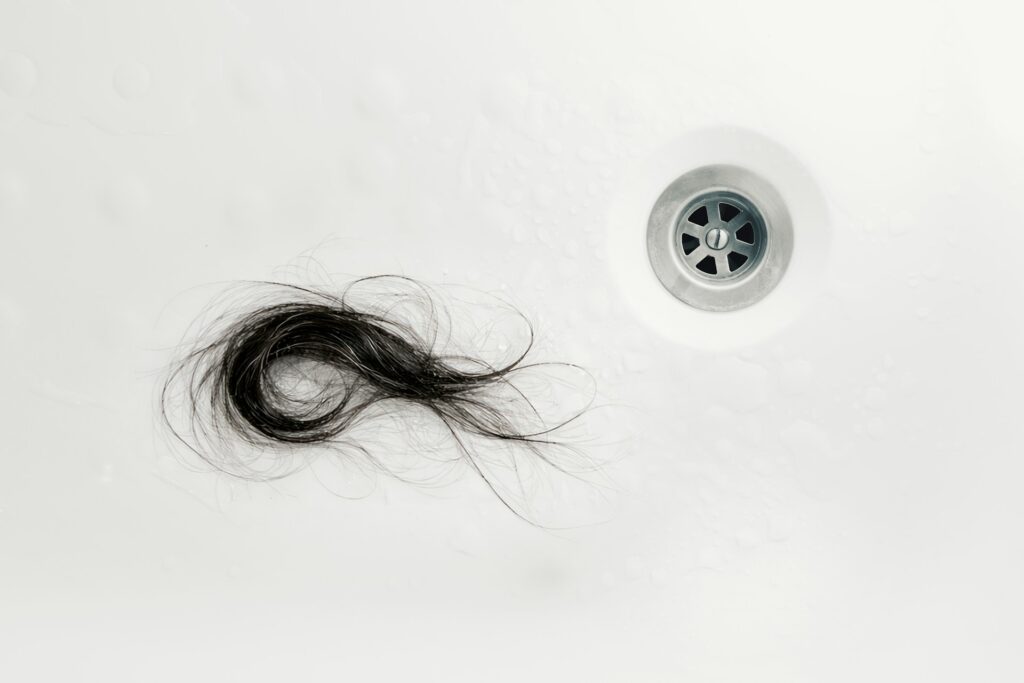
Human hair is a major cause of blocked drains in Auckland homes, especially in the bathroom. Consider installing a trap in your bathroom sink to stop hair from clogging your drains and make sure you don’t shave under an unprotected sink. You can also use drain cleaning products to try and dissolve your blockages but be careful. It’s always best to call a professional if you have persistent problems.

Baby Wipes!

Baby wipes, wet wipes and other solid wipes may be great for cleaning and wiping, but they’re not exactly biodegradable. Unlike toilet paper, these products don’t dissolve when they meet water. Instead, they clump together and form a sticky, solid mass that is bad news for your plumbing system. The problem is, many baby wipes have been advertised as flushable in the past and manufacturers have even got into trouble for this. Just remember – no matter what the packet says – put your wipes in the bin.

Paper Towel

While paper towels do0 break down they tend to be much thicker than toilet rolls. This means that they have the potential to clog your pipes. Similarly to wet wipes, you should always throw your paper towel in the bin.

Sanitary Items

Tampons and sanitary napkins belong in the bin or in special containers. This is why public toilets often come equipped with sanitary bins. Before you throw anything down a drain, remember to consider how absorbent it is and consider the effect this could have.

Contact a Professional!

Got a blocked drain? Don’t worry – help is available. At Collin’s Plumbing in Auckland, we specialise in residential plumbing services. We can get to the source of the problem and get your water flowing again. Call us on 0800 004 065 or contact us here. We’ll resolve your problem quickly and professionally.

What You Need To Know About Gas Safety?

Many people choose not to install gas appliances in their homes or places of business as they believe that gas is an unsafe and unstable fuel source. While care does need to be taken when using gas appliances, in general gas is a very safe way to provide cost effective heating and cooking for your home. By taking a few simple precautions and knowing what to look out for in case of a gas leak, you can safely use your gas appliances without the need to worry. On this page you will find some great advice on what to look out for in gas, a possible gas leak, what dangers you face using gas in your home and how to stay safe while using gas appliances.

How Dangerous is Gas Exactly?

Gas is a wonderfully versatile and useful source of fuel, but it needs to be treated with respect. Undetected gas leaks can cause headaches, dizziness, nausea, loss of breath, confusion and chest pains. Ultimately, exposure to natural gas or LPG can lead to unconsciousness and death. An unexpected increase in your gas bill or a persistent bad smell in the home are both signs that you may have a gas leak and need to have your appliances checked by a professional. Although natural gas and LPG is odourless, the sulphuric ‘rotten egg’ smell has been added to alert people when there is a gas leak.

What to Do If You Suspect a Gas Leak

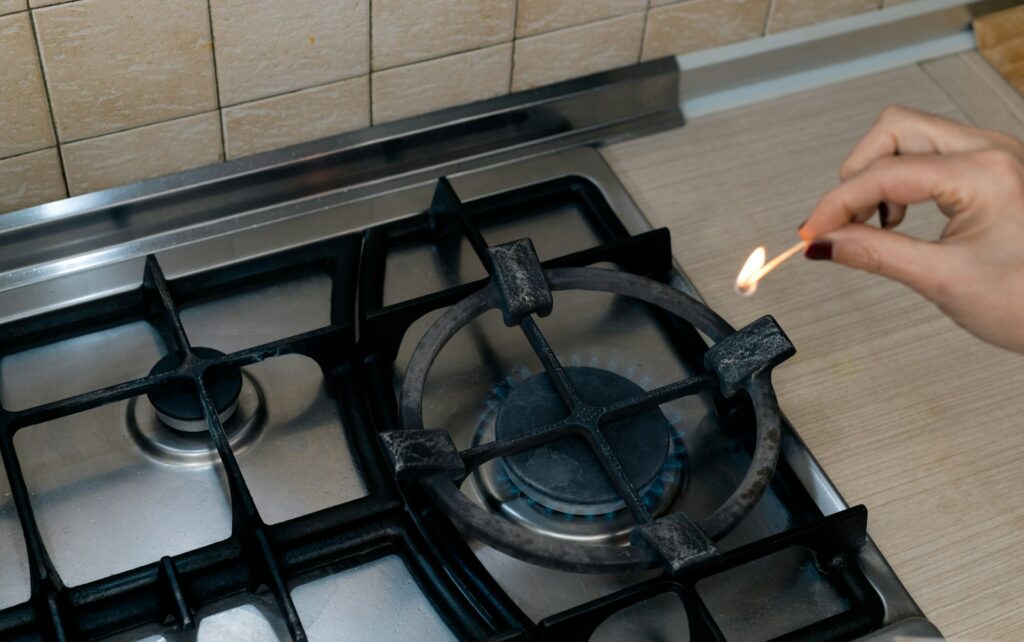
Gas leaks are always serious and should be treated with caution. If you smell a ‘rotten egg’ odour near your gas appliances, then you may have a leak. The first thing to do is to turn off your gas supply, and extinguish all naked flames in the vicinity, especially cigarettes and candles. Then, you should evacuate the room or the building and get in touch with a licensed plumber and gasfitter straight away. If in doubt, get out!

Staying Safe When using Gas

Avoiding nasty accidents when using gas appliances is as simple as taking a few minor precautions. It is not advised to store flammable materials near gas appliances, so make sure you move any oil, old mops, brooms, newspapers, laundry, tea towels etc. Certainly do not keep volatile liquids such as petroleum or kerosene near any gas appliance!

You may also wish to have an emergency shut-off valve installed. This will allow you to quickly and easily stop the flow of gas into your home if there is an emergency. Regular servicing, maintenance and gas safety inspections conducted by licensed and qualified professional gasfitters will ensure that your home is kept safe.

To arrange a gas safety check for your home or place of business, contact Collin’s Plumbing, Gas & Heating in Auckland today. Our expert gasfitters will make certain that your gas appliances are working safely and efficiently. You can also have a CO (carbon dioxide) detector alarm or a fire alarm. These work by sounding an alarm at the detection of CO in the air/environment.

Registered gas fitters can install these safety devices and also can take flue gas analysis tests on your appliances to check for leaks and safety of flues and waste gases in the air.

Common Causes of Blocked Drains

Most of us will have had the unpleasant experience of running a tap or flushing a toilet and instead of the water draining away smoothly, we look on with dread as it rises to the brim and refuses to go down the drain. The next step is usually to bail the excess water out and go to work on the drain with a plunger. If this fails to clear the blockage, you have a serious problem and need the help of a professional plumber.

Blocked or clogged drains are one of the most common reasons that plumbers are called out to businesses and private residences. Blockages are not only an inconvenience, they can also do real damage to your home and may pose a serious health risk to you and your family. But what exactly causes blockages? In this article we will discuss the most common causes of drain blockages so you can know what signs to look for and what to avoid.

Used Cooking Grease, Oils and Fat

Any type of cooking grease, oil or fat can build up in your home’s plumbing over time and cause a major obstruction. As these substances are naturally adhesive, they tend to stick to the sides of pipes and can eventually result in a blockage. Clogged and blocked up pipes due to grease, oil and fats are an especially serious problem for many businesses.

Luckily, there are simple ways to avoid any future problems with your plumbing. Instead of pouring small amounts of excess oil or grease down the drain, simply mop it up with a paper towel. For larger amounts, pour the liquids into a suitable jar or other container that can be disposed of responsibly.

Heavy Rains and Storms

After a particularly heavy storm, it is not uncommon for outside drains to become full of mud and assorted debris. This material collects in the pipes and stops water from flowing freely through the drain. The resulting block will cause the pipe to overflow, sending large amounts of rainwater flooding through your property.

By making sure that your outside areas are kept neat, clean and free of all build ups of dirt, leaves and other garden materials, you can guard against having to deal with a blocked drain during the next big storm.

Incorrect Installations

It’s sad to say, but not all local tradespeople maintain the highest standards when it comes to quality plumbing services! A leading cause of drainage issues is due simply to poorly installed plumbing. Pipes can become misaligned or may even fail completely because they were put in by an inexperienced or unqualified person.

Once again we are happy to say that there is a simple and straightforward fix to the problem. All you need to do is make sure that you always use an experienced, qualified and professional plumber for all your plumbing maintenance work.

If you live in the Auckland area and are having problems with blocked drains, contact your local plumbers at Collin’s Plumbing, Gas & Heating today.

How to Choose the Best Gas Water Heater

A gas hot water system is truly one of the household’s most used and least thought about appliances. When it is operating smoothly, no one gives a second thought to the powerful machine that provides you with all your hot water needs. But just think about the times the hot water has run out when you were in the shower!

That sudden shock of cold water it is a sharp reminder of just how much we depend on our water heaters to maintain our lifestyles and our quality of life.

Your hot water system needs to be practical, economical, efficient and, most of all, reliable. But with so many makes and models on the market these days, how can you make an informed choice? Luckily the expert plumbers and gasfitters at Collin’s Plumbing, Gas and Heating have put together a few tips to help families throughout Auckland and New Zealand decide on the best hot water heating system for their needs.

Know What Your Hot Water Needs Are

The first thing that you should be aware of when choosing a hot water heating system is exactly what your family’s hot water consumption is. You wouldn’t buy a pair of shoes without knowing if they were your size and the same principle applies here. You can contact your utility provider for an accurate breakdown on your monthly hot water usage. It also pays to keep in mind whether the hot water needs of your family is going to grow or shrink in the future. There’s no point in having a large sized hot water unit when only two people are living in a home, but if you’re planning on growing your family, it might be a worthwhile investment.

Know What Your Options Are

It is hard to shop around when you have no idea what you are looking for! By doing some research on what models are available you can get an edge when it comes time to choose. Reading online reviews or consumer magazines is one way to find the information you need. You can also speak to a professional plumber or gasfitter from Collin’s Plumbing and get practical and friendly advice. Look for competitive prices when you’re shopping for your unit but remember that price isn’t everything. Something that looks cheaper now may become more expensive after years of regular malfunctioning and repairs.

Know What Your Budget Is

How much are you willing to spend on a new gas water heating system? The answer to this question may depend on your current circumstances and what you have planned for the future. A hot water system is a big investment and one that should last you for many years. Figuring out what your monthly energy cost is will also prove helpful when setting a budget.

For more great tips and tricks to use when choosing a gas water heating system, contact the experts at Collin’s Plumbing, Gas and Heating in Auckland.